Why Choose Melamine Cabinets Over Plywood
Cabinet materials influence durability, appearance, and long-term maintenance across many areas of a home. When homeowners evaluate melamine cabinets vs plywood, they often compare surface performance, cost, and design flexibility. Both materials appear in kitchens, bathrooms, garages, and storage systems, yet they behave differently under daily use.
Melamine consists of engineered wood panels covered with a resin-infused decorative layer that forms a protective surface. This structure creates a durable and uniform finish that suits modern interiors.
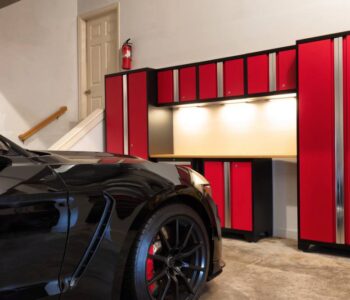
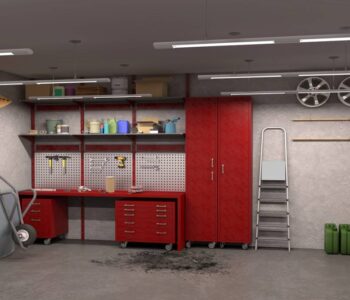
In many organized garages, cabinetry systems such as garage cabinets Phoenix homeowners install rely on durable materials that combine functionality with consistent visual appeal.
Understanding Melamine Cabinet Construction
Melamine cabinets begin with an engineered wood core such as particleboard or medium-density fiberboard. Manufacturers bond a resin-coated decorative paper layer to the panel under heat and pressure. The resulting surface forms a hard outer layer that resists everyday wear.
This construction method produces cabinets with a consistent appearance across large surfaces. Because the decorative layer already contains color and texture, the panels arrive ready for installation without painting or sealing.
The protective coating also resists stains and minor scratches. In environments where cabinets experience regular contact with tools, containers, or kitchen equipment, this durability contributes to long-term usability.
Plywood cabinets, by comparison, consist of thin layers of wood veneer bonded together with adhesives. While plywood offers strong structural performance, it usually requires finishing treatments such as paint, laminate, or veneer to achieve the desired appearance.
Cost Advantages of Melamine Cabinets
Cost often plays a significant role in the comparison between melamine cabinets vs plywood. Melamine cabinetry typically costs less than plywood alternatives because the manufacturing process uses engineered panels and factory-applied finishes.
This price difference becomes particularly noticeable in larger projects that involve extensive cabinetry. Garages, laundry rooms, pantries, and storage walls often require many cabinet panels, drawers, and doors.
Lower material cost allows homeowners to achieve a clean and organized layout without exceeding renovation budgets. At the same time, the finished appearance remains consistent across all cabinet surfaces.
Surface Durability and Maintenance
The resin-coated layer on melamine panels creates a surface that resists scratches, stains, and everyday wear. In areas that experience frequent contact with household items, this resistance helps cabinets retain their appearance.
Cleaning melamine cabinets requires minimal effort. A damp cloth usually removes dust, spills, or residue. The non-porous surface prevents liquids from soaking into the material, which reduces the likelihood of stains.
Plywood cabinets may require paint, varnish, or laminate layers to achieve comparable surface protection. These coatings can wear over time, particularly in high-use areas.
Moisture Resistance in Humid Spaces
Kitchens, bathrooms, and laundry rooms frequently experience moisture exposure from steam and spills. Melamine’s protective outer layer forms a barrier that resists moisture penetration.
This characteristic helps protect cabinet panels from swelling or surface damage in areas where humidity levels fluctuate. The sealed surface also discourages the growth of bacteria or mold.
Plywood handles structural stress well but may absorb moisture if exposed edges remain unsealed. Over time, repeated moisture exposure can affect surface finishes or cause minor warping.
Design Flexibility and Visual Variety
Another advantage within the discussion of melamine cabinets vs plywood involves design options. Melamine panels appear in a wide range of colors, textures, and patterns.
Manufacturers often create finishes that resemble natural wood grain, stone, or modern matte surfaces. These options allow homeowners to match cabinetry with contemporary interior styles without the expense of solid hardwood materials.
The consistency of the finish across panels also creates a clean and uniform appearance in storage systems. In garages and utility spaces, this consistency contributes to a refined environment rather than an unfinished workshop aesthetic.
Homeowners who organize tools, equipment, and supplies often pair cabinetry with wall systems and garage accessories that keep the entire space structured and accessible.
Consistency and Structural Stability
Because melamine panels are manufactured under controlled conditions, they maintain consistent color, thickness, and texture. Natural wood materials sometimes display variations in grain or shade that may not align perfectly across multiple panels.
Manufactured panels also resist splitting or surface cracking that occasionally occurs in natural wood products. This stability contributes to a smooth cabinet surface that remains visually consistent across the entire installation.
Although plywood retains advantages in certain structural applications, melamine performs well in cabinetry where appearance, durability, and maintenance efficiency remain priorities.
Many homeowners integrate durable cabinetry into broader storage systems through custom organization solutions that create structured environments throughout the home.
Storage Designed for Everyday Living
At Arizona Garage & Closet Design, we design storage systems that combine durable cabinetry with thoughtful organization. Our team creates garages, closets, and home storage spaces that simplify daily routines while maintaining a refined appearance. When cabinets, wall systems, and work areas work together, the entire space becomes easier to use and maintain.
If you want a garage designed around efficient storage and long-term durability, our team would be glad to help create a customized solution for your home.