What You Should Know About Melamine Cabinets
Modern homes often rely on cabinetry that balances design, durability, and cost. In recent years, melamine cabinets have gained attention across kitchens, closets, and storage areas due to their smooth finish and consistent appearance. Many homeowners researching cabinetry materials start by asking what melamine cabinets are and how this material performs in everyday use.
Understanding how melamine works, where it performs best, and how it compares with other materials can help homeowners make thoughtful decisions when planning cabinetry for kitchens, closets, or even storage areas such as garage cabinets in Phoenix homeowners install to improve organization and usability.
Understanding What Melamine Cabinets Are
To understand what melamine cabinets are, it helps to examine how the material is manufactured. Melamine cabinets use a resin-based laminate that bonds to engineered wood cores such as medium-density fiberboard or particleboard. Heat and pressure fuse the melamine coating to the core panel, creating a smooth surface that resists stains and moisture.
This manufacturing method results in a uniform finish across cabinet surfaces. The outer melamine layer can replicate wood textures, matte finishes, or glossy surfaces. Because the coating already contains the final color and texture, additional painting or finishing is not required after installation.
Many cabinetry manufacturers use melamine panels for closet systems, shelving units, kitchen cabinets, and storage walls. The material allows designers to create consistent visual lines across large installations while keeping manufacturing efficient.
Advantages of Melamine Cabinets in Modern Interiors
Melamine cabinets have become widely used in residential interiors due to several practical benefits. One major advantage is cost efficiency. Melamine panels cost significantly less than solid hardwood cabinetry while still delivering a refined appearance.
Another advantage involves moisture resistance. Kitchens, laundry areas, and bathrooms experience humidity and occasional splashes. The sealed melamine surface prevents water from penetrating the panel easily, which reduces the risk of swelling compared with untreated wood.
Melamine also offers a wide selection of finishes. Manufacturers produce panels in matte tones, textured wood grain patterns, and modern gloss surfaces. This range allows designers to match cabinetry with flooring, wall finishes, and lighting without complex finishing processes.
Cleaning also remains straightforward. The nonporous coating resists stains from cooking oils or household products. A soft cloth and mild cleaner typically remove everyday residue without damaging the surface.
Limitations That Homeowners Should Consider
Despite its advantages, melamine cabinetry carries a few limitations that homeowners should understand before selecting the material. The most common issue involves edge damage. Hard impacts may chip the laminate layer at corners or along cabinet edges.
Once a chip appears, repair options remain limited. Solid wood cabinets allow sanding and refinishing, but melamine surfaces cannot be refinished in the same way. Edge banding helps protect vulnerable areas, yet the material still requires careful use.
Heat sensitivity represents another limitation. Melamine performs well in standard kitchen environments, yet direct exposure to high heat from ovens or stovetops can weaken the laminate over time. Designers often install protective panels near cooking appliances to reduce this risk.
Cabinet weight also deserves attention. Particleboard-based melamine cabinets can become heavy. High-quality hinges and precise installation play an important role in maintaining door alignment and structural stability.
Daily Durability of Melamine Cabinet Surfaces
Many homeowners researching what melamine cabinets are also want to understand their durability during everyday use. Melamine surfaces hold up well under normal conditions. The hardened resin layer resists light scratches from utensils, dishes, and storage items.
Durability often depends on the internal core material. Panels made with medium-density fiberboard tend to deliver greater strength and stability than those built with low-density particleboard. Higher quality cores also improve screw retention for hinges and drawer hardware.
In homes with busy kitchens, closet systems, or large storage walls, melamine cabinets can function effectively for many years when installed correctly. Soft-close hinges and well-designed drawer slides reduce stress on cabinet doors and frames, which helps maintain structural integrity.
Melamine Compared With Other Cabinet Materials
Homeowners often compare melamine with wood, plywood, or thermofoil cabinetry when planning new storage installations. Each material offers distinct characteristics.
Solid wood cabinets carry long-term durability and the ability to refinish surfaces. However, wood cabinets often require higher investment and periodic maintenance to preserve their finish.
Plywood cabinets feature strong layered construction that resists warping. Plywood also remains lighter than particleboard-based melamine panels. Many designers choose plywood for structural components such as cabinet boxes.
Thermofoil cabinets share a similar smooth appearance with melamine but use a vinyl coating rather than a resin laminate. Over time, thermofoil surfaces may peel in areas exposed to heat.
Melamine stands out for consistent appearance and minimal maintenance. Many modern storage systems, including closet installations and garage organization layouts, use melamine panels to achieve clean design lines and efficient production.
Cleaning and Maintenance of Melamine Cabinets
Melamine cabinets remain relatively simple to maintain compared with many traditional cabinet finishes. Regular cleaning prevents residue buildup and keeps surfaces looking uniform.
A damp cloth paired with mild detergent removes most kitchen grease and dust. Abrasive pads should remain avoided because they may scratch the laminate surface. Harsh chemical cleaners may also dull the finish.
For stubborn grease, diluted vinegar works well on melamine surfaces. After wiping the cabinet, a dry cloth removes excess moisture and restores the finish.
Preventive habits also extend cabinet lifespan. Gentle door closing reduces pressure on hinges and edge banding. Placing heat shields near cooking areas also reduces exposure to high temperatures.
Where Melamine Cabinets Work Best in the Home
Melamine cabinets appear in many areas beyond the kitchen. Closet systems frequently use melamine panels due to their uniform color and strong shelving capacity. Adjustable shelves and built-in drawer units can easily integrate with melamine cabinet panels.
Home offices also benefit from melamine cabinetry because the smooth surface supports books, electronics, and office supplies while maintaining a clean visual layout.
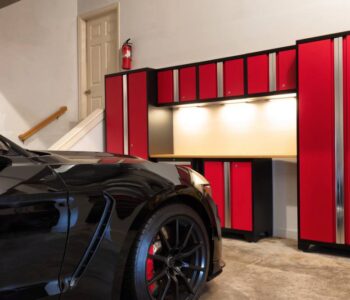
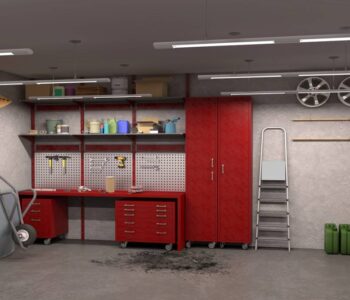
Garages and utility spaces represent another common application. Storage walls, overhead cabinets, and tool organization systems often incorporate melamine surfaces because they resist stains and simplify cleaning.
These varied uses demonstrate why many designers incorporate melamine panels into comprehensive custom organization solutions throughout the home.
How Arizona Garage & Closet Design Can Help
At Arizona Garage & Closet Design, we design storage systems that balance durability, appearance, and everyday usability. Our team works with homeowners across the Phoenix and Scottsdale area to create organized garages, closets, and interior spaces built with high-quality materials.
With thoughtful planning and professional installation, we help transform cluttered areas into structured environments that simplify daily living. Schedule a consultation and let us design a storage system that fits your home.