How To Clean Melamine Cabinets The Right Way
Cabinet surfaces handle constant contact with hands, cooking residue, and household dust. Over time, these elements build up and affect both appearance and hygiene. Homeowners often search for reliable guidance on how to clean melamine cabinets without damaging the laminate surface. Melamine cabinetry uses a resin-coated finish bonded to engineered wood, which creates a smooth surface that resists stains and moisture but reacts poorly to harsh chemicals.
Knowing the correct cleaning approach protects the finish and extends the cabinet’s life. This knowledge also applies to storage areas such as garage cabinets Phoenix homeowners install for organized, functional spaces.
Understanding Melamine Cabinet Surfaces
Melamine cabinets use a thin laminate layer made from resin that bonds to engineered wood panels such as medium-density fiberboard or particleboard. Heat and pressure fuse this coating to the panel during manufacturing. The finished surface becomes smooth, durable, and resistant to common kitchen stains.
Unlike unfinished wood, melamine does not absorb moisture easily. The sealed coating prevents water penetration and creates a surface that wipes clean with minimal effort. Because the laminate contains its color and texture, cabinet panels do not require staining or painting after installation.
Despite these advantages, melamine surfaces still demand careful maintenance. Abrasive pads, aggressive chemicals, and excessive heat can weaken the laminate layer.
Why Proper Cleaning Methods Matter
Melamine cabinets remain durable during daily use, yet improper cleaning habits may lead to surface damage. Many commercial cleaners contain strong chemical agents designed for stone or metal surfaces. These solutions can dull the laminate coating or leave residue that affects the cabinet’s finish.
Scrubbing with rough pads may also create small scratches. Although melamine resists minor surface wear, repeated abrasion can gradually break down the protective layer. Once this surface becomes compromised, stains or discoloration may appear more easily.
Start With Regular Dusting and Light Wiping
Routine surface care forms the foundation of effective cabinet maintenance. Dust and small debris accumulate on cabinet doors and shelves over time. When ignored, these particles may scratch the laminate during cleaning.
A soft microfiber cloth works well for removing dust from melamine surfaces. Light wiping across cabinet doors and exposed shelves clears loose particles before deeper cleaning begins. This quick task requires only a few minutes but protects the cabinet finish from abrasion.
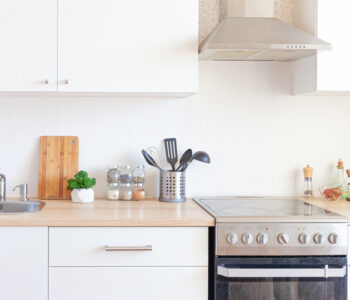
In kitchens and food preparation areas, light wiping also removes cooking residue before it hardens. Grease particles in the air often settle on cabinet doors near stoves and ovens. Addressing these areas early reduces the need for stronger cleaning methods later.
Use Mild Soap and Warm Water for Deeper Cleaning
When cabinets show visible residue, a simple mixture of mild soap and warm water offers a safe cleaning method. Dish soap works well because it cuts through grease without harsh chemical reactions.
A common approach involves mixing a small amount of soap with warm water in a bowl or bucket. Dip a soft cloth into the solution, then wring it out thoroughly before wiping cabinet surfaces. Excess water should never remain on melamine panels because prolonged moisture may reach the panel edges.
For stubborn stains, allow the damp cloth to rest on the area briefly before wiping again. This technique loosens grease or dried residue without heavy scrubbing.
Remove Grease and Smudges Without Damaging the Finish
Kitchen cabinets often develop grease buildup near cooking zones. Fingerprints also appear frequently around handles and cabinet edges. These marks may seem difficult to remove, yet gentle methods work effectively on melamine surfaces.
A mixture of diluted white vinegar and water helps dissolve grease while remaining mild on laminate finishes. Apply the solution lightly with a cloth rather than spraying directly onto cabinet panels. Controlled application prevents excess moisture from entering seams or edges.
For stubborn spots, a paste created from baking soda and water can help loosen residue. Spread a small amount on the stain, allow it to sit briefly, then wipe away using a soft cloth. Gentle pressure is enough to remove most marks.
Cleaning Products to Avoid
Certain cleaning products damage melamine surfaces even after a single use. Bleach, ammonia, and highly acidic cleaners may discolor the laminate coating or weaken the bond between layers.
Abrasive powders and scouring pads also pose risks. These materials scratch the surface and create dull patches that disrupt the cabinet’s uniform finish. Once scratches appear, repair options remain limited.
Steam cleaners present another concern. The intense heat and moisture from steam may cause bubbling or warping in melamine coatings. Cabinets exposed to repeated steam treatment may eventually develop visible surface distortion.
Melamine Cabinets in Organized Storage Spaces
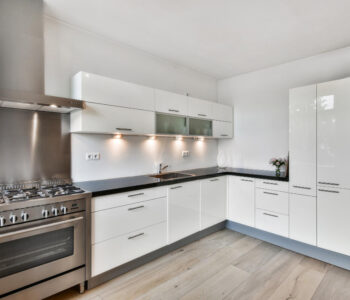
Melamine cabinetry appears in many areas beyond the kitchen. Closet systems, laundry storage, and pantry shelving often rely on this material because it remains easy to maintain. The smooth surface also complements modern interior design.
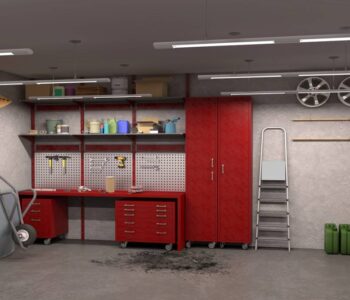
Garages represent another environment where melamine cabinets perform well. Organized storage systems require materials that resist stains from tools, sports equipment, and household supplies. In these areas, structured layouts and durable cabinets contribute to functional garage organization that keeps equipment accessible and surfaces easy to maintain.
Long-Term Care That Preserves Cabinet Appearance
Routine maintenance habits extend the life of melamine cabinets and maintain their appearance. Gentle door handling reduces stress on hinges and prevents edge damage. Slamming cabinet doors may cause gradual wear on corners and laminate seams.
Homeowners can also reduce grease buildup by using range hoods or ventilation systems while cooking. Improved airflow limits the amount of airborne residue that settles on nearby cabinet doors.
Occasional deep cleaning removes hidden buildup along cabinet edges, handles, and shelving joints. These areas often collect residue that regular wiping may miss.
Consistent care allows melamine cabinetry to retain its smooth appearance for many years. The material’s stain resistance and simple maintenance requirements make it well suited for organized homes.
For households interested in improving interior storage design, professionally planned cabinetry systems often integrate durable surfaces with efficient layouts. Thoughtful designs often include shelving, drawers, and cabinets tailored to specific needs. Many homeowners explore these types of custom organization solutions when creating more structured living spaces.
Arizona Garage & Closet Design
At Arizona Garage & Closet Design, we create organized storage systems that remain functional and easy to maintain. Our team designs cabinets, closets, and garage storage solutions using durable materials suited for everyday use. Homeowners across the Phoenix and Scottsdale area rely on us to design spaces that stay organized and simple to maintain.
Schedule a consultation and allow our team to transform your garage or interior storage areas into a structured environment that works for your home.