How Long Do Melamine Cabinets Last For Everyday Storage?
Cabinet durability often becomes a major concern when homeowners invest in new storage systems. Many people researching cabinetry materials ask the same question: how long do melamine cabinets last in everyday environments such as kitchens, laundry rooms, closets, or garages. Melamine cabinets have gained wide use due to their smooth finish, stain resistance, and accessible cost.
When installed properly and maintained with care, these cabinets can remain functional for many years. The same durability often benefits organized storage systems, including garage cabinets Phoenix homeowners rely on for structured garage storage.
Average Lifespan of Melamine Cabinets
Melamine cabinets typically last between ten and twenty years in residential environments. This lifespan depends on several variables, including construction quality, daily usage patterns, and environmental conditions.
Melamine cabinetry consists of a resin-based laminate fused to engineered wood panels. This coating forms a hard surface that resists stains and moderate scratches. Because the laminate contains the final finish, the cabinet surface does not require paint or sealing after installation.
In many homes, cabinets remain structurally sound for well over a decade when installed correctly. Cabinets located in lower traffic areas may remain in good condition closer to the twenty-year range. Heavily used cabinets near sinks, cooking areas, or high humidity zones may show wear sooner if not maintained carefully.
Why the Core Material Matters
The internal core of melamine cabinetry plays a major role in durability. Most melamine panels use either medium-density fiberboard or particleboard as the base material beneath the laminate surface.
Medium-density fiberboard contains fine wood fibers compressed under pressure with resin. This structure creates a dense panel that resists warping and holds screws securely. Cabinets built with MDF often demonstrate stronger long-term performance.
Particleboard uses compressed wood chips bonded with resin. While this material reduces manufacturing cost, it tends to react more strongly to pressure and moisture exposure. Over time, particleboard cores may swell or weaken if exposed to repeated stress or water intrusion.
Usage and Traffic Influence Longevity
Daily usage plays another significant role in answering the question of how long do melamine cabinets last. Storage units located in busy kitchens experience frequent door movement, contact from cookware, and occasional impact from daily activity.
Cabinets installed in quieter areas of the home often experience less wear. Pantry shelving, guest kitchenettes, and secondary storage rooms usually remain in better condition for longer periods.
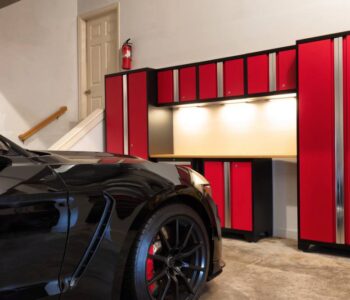
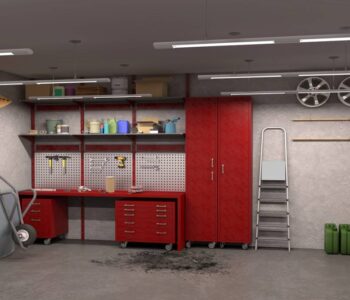
In garages or hobby spaces, cabinets may hold tools, sporting equipment, or seasonal items. These environments create different stress patterns on cabinet hinges, shelves, and frames. Well-designed layouts that distribute weight evenly often extend cabinet life and maintain stable storage.
Many homeowners integrate melamine cabinetry into larger garage organization systems because the laminate surface resists stains from equipment and household supplies.
Moisture Exposure and Its Impact
Melamine laminate surfaces resist water effectively, yet the engineered wood core underneath remains vulnerable to moisture. Damage often occurs when water reaches the edges or seams of cabinet panels.
Small chips or cracks along cabinet edges allow moisture to penetrate the panel core. Once water enters the internal material, swelling may occur. This process may eventually lead to warping or delamination, where the laminate layer separates from the base panel.
Areas near sinks, dishwashers, and washing machines often experience frequent water exposure. Cabinets installed in these locations benefit from careful sealing along seams and hardware points.
Maintenance Habits That Extend Cabinet Life
Regular maintenance plays a meaningful role in determining how long melamine cabinets remain in good condition. Gentle cleaning protects the laminate surface and prevents buildup that may damage the finish.
A soft cloth and mild cleaning solution typically remove dust and grease without harming the laminate. Abrasive scrubbers or aggressive chemical cleaners should remain avoided because they can scratch or dull the surface coating.
Hardware inspection also contributes to cabinet longevity. Hinges and drawer slides experience repeated movement during daily use. Loose screws or worn hardware may place additional stress on cabinet doors and panels.
Signs That Cabinets May Need Replacement
Even well-maintained cabinets eventually reach a point where replacement becomes more practical than repair. Several visible indicators often reveal that cabinet lifespan is approaching its limit.
Peeling laminate along cabinet edges suggests the protective surface has weakened. Once the laminate begins separating from the panel, moisture may reach the internal core and accelerate deterioration.
Swollen cabinet panels often indicate water exposure within the core material. This type of damage may cause surfaces to appear uneven or puffy. In many cases, the structure cannot return to its original shape.
Sagging cabinet doors may also appear after long-term use. Hinges may loosen as the internal panel material weakens. When doors fail to close correctly even after hardware adjustments, replacement may become the most effective solution.
Comparing Melamine Cabinets With Other Materials
Understanding how long do melamine cabinets last also benefits from comparing melamine with alternative cabinet materials.
Solid wood cabinets carry a long reputation for durability and natural beauty. Wood panels can be sanded and refinished when surfaces wear down. However, wood cabinetry often requires higher investment and periodic maintenance.
Melamine cabinetry offers a more consistent finish with minimal maintenance demands. The laminate surface resists stains and does not require refinishing.
Veneer cabinetry uses a thin layer of natural wood attached to an engineered core. This approach creates a natural wood appearance while reducing material cost. However, veneer surfaces require careful cleaning because the thin wood layer may react to moisture or abrasion.
Maximizing Longevity Through Thoughtful Design
Cabinet lifespan depends not only on materials but also on thoughtful design and installation. Proper weight distribution across shelves reduces stress on cabinet structures. Adjustable shelving allows homeowners to adapt storage areas as needs change.
Soft-close hinges and drawer slides also reduce mechanical impact during daily use. These features limit abrupt door movement and protect cabinet joints from repeated stress.
Structured layouts help keep stored items organized and accessible. Many homeowners turn to professional designers when planning complete home storage systems that include closets, pantries, garages, and workspaces.
Comprehensive storage planning often includes customized shelving, cabinet walls, and integrated compartments designed for specific items. These types of custom organization solutions often improve both functionality and cabinet longevity.
Custom Cabinets Designed For Everyday Function
At Arizona Garage & Closet Design, we create organized storage spaces that combine durability with thoughtful design. Our team works with homeowners across the Phoenix and Scottsdale area to build custom cabinets, closets, and garage storage systems designed for everyday use.
Using high-quality materials and precise installation, we help transform cluttered spaces into organized environments built for long-term performance.
Schedule a consultation and let us design a storage system that fits your home.